
 Search



Circular Bioeconomy Workshop highlights pathways for advancing Bioeconomy in Cyprus


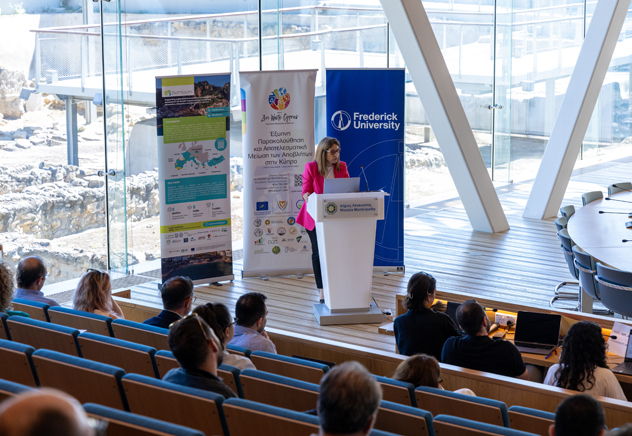
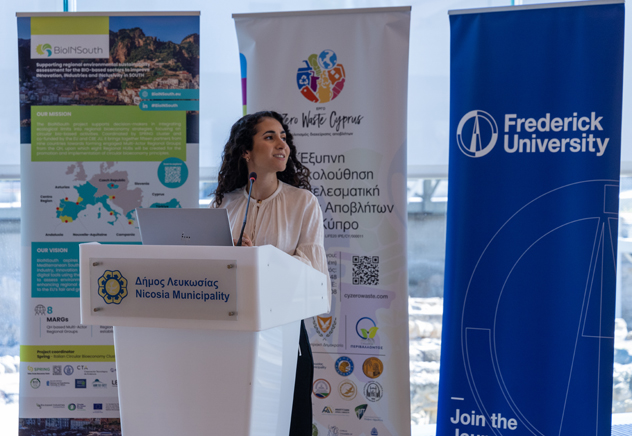
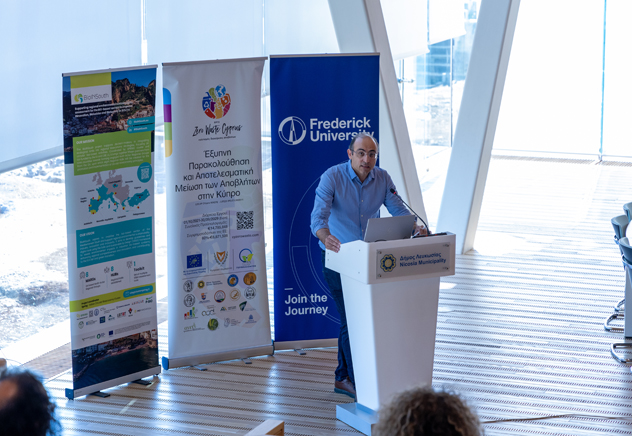
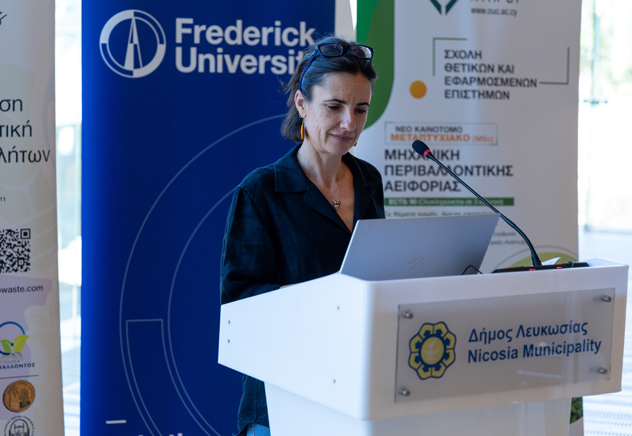
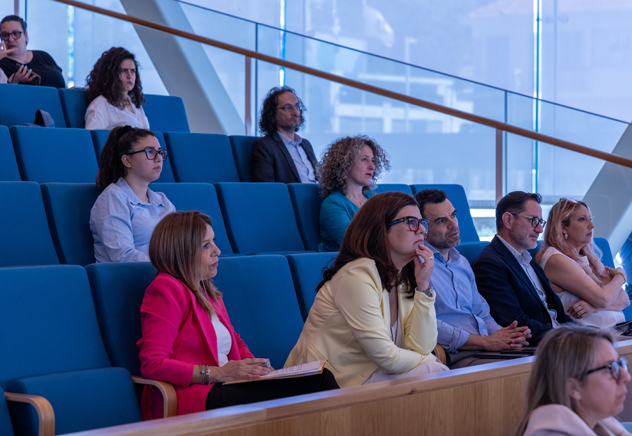
Frederick University, together with the Ministry of Agriculture, Rural Development and Environment and the Department of Environment, successfully co-organised the Circular Bioeconomy Workshop on 29 May 2026.
The Workshop was held at the Conference and Events Hall of the New Nicosia City Hall, under the auspices of the 2026 Cyprus Presidency of the Council of the European Union.
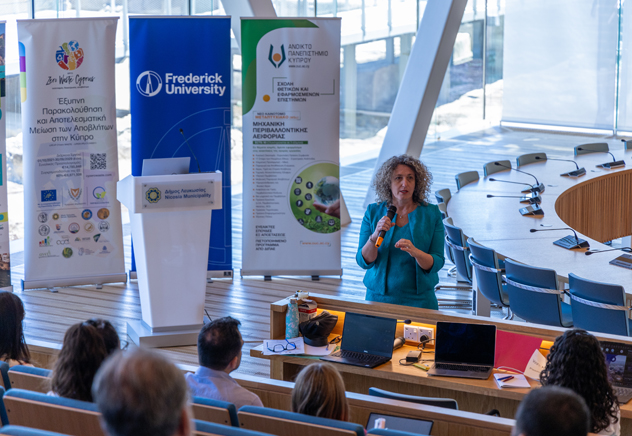
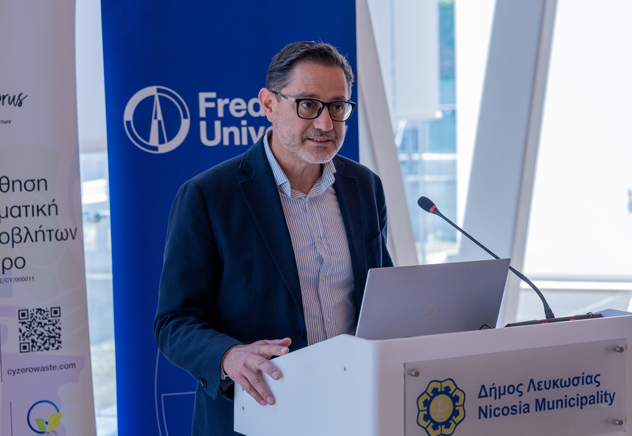
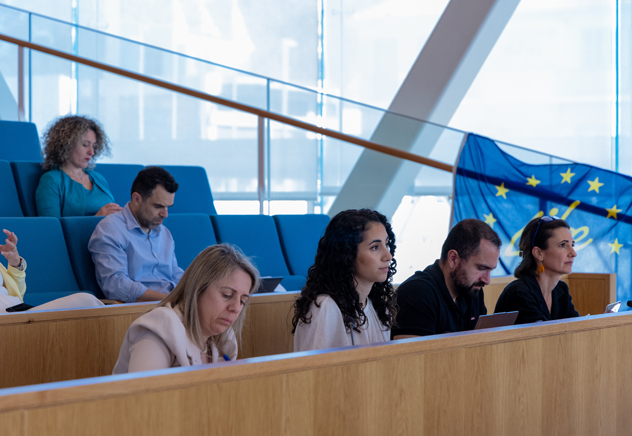
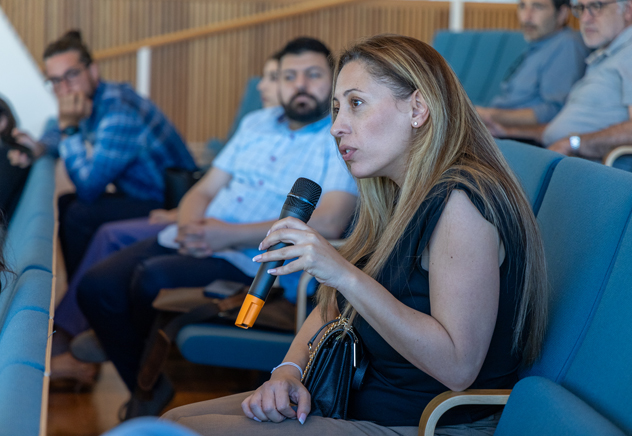
The workshop brought together policymakers, researchers, academics, industry representatives and other stakeholders to exchange knowledge and explore opportunities for advancing the circular bioeconomy in Cyprus and across Europe.
Organised in the framework of the BioINSouth and LIFE IP CY Zero Waste, the event provided a structured platform for dialogue on the development and implementation of bioeconomy policies, strategies and practices.
Throughout the day, participants discussed the benefits and potential of the circular bioeconomy, the evolving European policy landscape, national and regional experiences, best practices from Cyprus and other European countries, and funding opportunities available through the upcoming Circular Bio-based Europe Joint Undertaking (CBE JU) Call 2026.
Presentations highlighted that the circular bioeconomy is rapidly emerging as a key driver of sustainable development, supporting the transition towards resource-efficient and climate-neutral economies. Speakers emphasised the importance of integrated bioeconomy strategies, stronger cooperation across sectors, effective governance structures, and increased capacity to utilise European funding instruments.
The workshop also showcased innovative bioeconomy initiatives and successful examples of converting biological resources and waste streams into high-value products and services. Discussions underlined the need to move beyond pilot projects and accelerate the deployment of bio-based solutions through investment, infrastructure development and stronger links between research, industry and markets.
A common conclusion emerged from the event: Cyprus has significant opportunities to benefit from the circular bioeconomy, but unlocking its full potential requires coordinated action among policymakers, researchers, businesses and society. Strengthening collaboration, enhancing institutional capacity, and fostering innovation ecosystems will be essential for creating sustainable value chains, reducing dependence on fossil resources, and generating new economic and employment opportunities.
The organisers express their sincere appreciation to all speakers and participants for their valuable contributions to the workshop and the rich exchange of knowledge and experiences throughout the day. The strong engagement demonstrated the growing interest and commitment to advancing the circular bioeconomy in Cyprus and beyond.
 View all articles